Social isolation accelerates cognitive decline in old age
- Home
- Life
- Healthy lifestyle
- Social isolation accelerates cognitive decline in old age


Reducing social isolation may protect the brain in old age and slow cognitive decline, scientists at the University of St Andrews, Scotland, have found.
A study published in The Journals of Gerontology, Series B: Psychological Sciences and Social Sciences, found a direct cause-and-effect relationship: higher social isolation leads to more rapid cognitive decline later in life. Pathological decline in memory and thinking is most often associated with Alzheimer's disease and other dementias.
The authors emphasise an important nuance: the effect was observed irrespective of whether the person considered themselves lonely. That is, isolation affects cognitive health in and of itself, even if there is no subjective feeling of loneliness.
Isolation and loneliness are not the same thing
Researchers divorce the two concepts. Social isolation is measured objectively - for example, how sociable a person is, whether they belong to social organisations, whether they participate in community or religious congregations. Loneliness is a subjective assessment of how often a person feels lonely.
Although these phenomena are often thought to be related, the results show that they can have independent effects oncognitive function.
How the study was conducted
A team from the University of St Andrews, together with researchers from the Max Planck Institute for Demographic Research (Germany) and Emory University (USA), analysed data from the American Health and Retirement Study project.
The sample included more than 30,000 people and totalled 137,653 cognitive tests administered between 2004 and 2018. The modelling showed a consistent pattern: the higher the isolation, the faster cognitive performance declines.
The scientists note that reducing isolation had a protective effect in almost all subgroups - regardless of gender, race, ethnicity, and education level. Differences between social groups were minimal.
Why this is important for public health
Interest in the health effects of isolation and loneliness has grown particularly in recent years - most notably for adolescents and the elderly. Prior to the COVID-19 pandemic, around a quarter of people 65+ reported social isolation, increasing concerns about health effects. Loneliness is also cited as a major public health problem in several developed countries.
The authors remind us: Alzheimer's disease already affects millions of people and there is still no effective cure, so prevention is critical. According to lead author Dr Jo Hale, developing an "infrastructure" for regular communication - especially for older people who do not have family or friends nearby - should be a public health priority.
Maria Grynevych, project manager, journalist, co-author of Guidebook Sacred Mountains of the Dnieper Region, Lecture Course: Cult Topography of the Middle Dnieper Region.
Related news


Why children’s accounts of the trauma they have experienced may vary

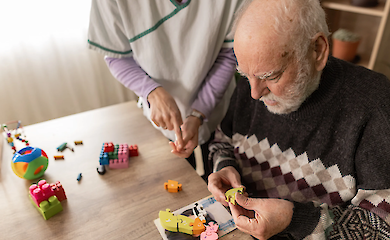
A simple marker of future memory decline has been identified in older people

Scientists have discovered why stress sometimes shuts down logic

Popular news


Scientists have discovered that power among the Scythians was passed down through the family line



Navrotsky has announced a ban on the red-and-black flag in Poland: what will change
News about war
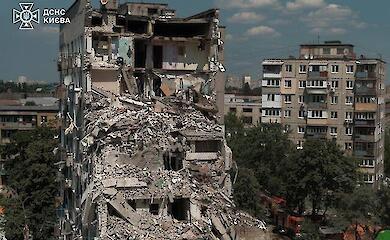
The UN has reported a sharp rise in the number of Ukrainian civilians killed as a result of the war

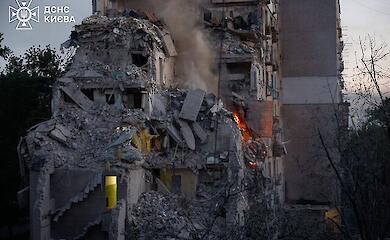
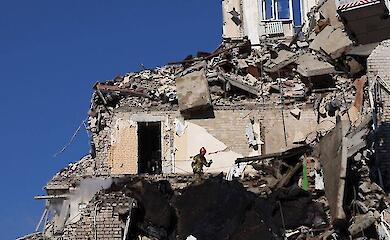
3 July has been declared a day of mourning in Kyiv. The number of dead and injured is rising