
A hot bath instead of a sauna? Scientists have found out which is more effective for health
- Home
- Life
- Healthy lifestyle
- A hot bath instead of a sauna? Scientists have found out which is more effective for health


A dip in a hot bath can provide more health benefits than a visit to a sauna.
This is the conclusion reached by scientists from the Bowman Centre for Sports Science at the University of Oregon (USA). The study was published in the American Journal of Physiology.
Read more: Jessica K. Atencio et al, Comparison of thermoregulatory, cardiovascular, and immune responses to different passive heat therapy modalities, American Journal of Physiology-Regulatory, Integrative, and Comparative Physiology (2025). DOI: 10.1152/ajpregu.00012.2025
Researchers compared the effects of three popular heat therapy methods: traditional dry sauna, infrared sauna and hot bath. The experiment involved 20 people aged between 20 and 28 years who regularly exercise. They all took turns undergoing sessions of each type of heat treatment, during which experts recorded body temperature, heart rate, blood pressure, cardiac output and levels of inflammatory markers in the blood.
"Hot water was found to be the most effective way to increase body temperature, which is what triggers physiological responses that are beneficial to health," explained lead study author Jessica Atencio, a graduate student in physiologist Christopher Minson's lab.
An increase in body temperature promotes better blood flow, which in turn has a positive effect on vascular health. The researchers emphasise that, unlike in a sauna, in water the body cannot be effectively cooled by sweating, which means that the heat lasts longer and has a deeper effect.
After each session, the scientists took blood from the participants for analysis. Interestingly, it was the hot bath, not the sauna, that triggered a marked immune response - specifically, increased levels of cytokines (molecules associated with the immune system) and changes in immune cell populations.
"The results didn't surprise us," Atencio says. - "Immersion in water causes more pronounced changes because the heat cannot dissipate as it does when exposed to hot air."
Christopher Minson, professor of physiology and director of the Bowman Centre, has been studying heat therapy for more than 20 years. He argues that regular use of heat treatments promotes good health, especially in those who can't exercise.
"If repeated in moderation, heat stress is quite comparable to the positive effects of exercise," Minson noted. However, he emphasised that heat therapy does not eliminate the need for motor activity, but can be a good complement to it.
"It can be a relaxing, even almost spiritual or cultural experience. The social component and the feeling of relaxation are also important and can enhance the wellness effect," the scientist added.
Atencio, who is a runner herself, emphasises: "We always say that physical activity is the foundation of a non-drug approach to promoting health. But if someone can't or doesn't want to exercise, heat treatments are a good help."
At the same time, the authors of the study recommend consulting a doctor beforehand:
"It is important to understand who is suitable for heat therapy. Sometimes light physical activity like walking or stretching is enough, and sometimes it's wise to start with moderate heat therapy," says Minson.
Elena Rasenko writes about science, healthy living and psychology news, and shares her work-life balance tips and tricks.
Related news

Scientists have explored the glacier on the summit of Mount Ararat for the first time



A parasite turned worker ants into ‘queens’ and extended their lives

Changes in the brain were discovered in people who used to watch a lot of television decades ago

Popular news

Ukrainian security services have been recognised as among the best intelligence services in Europe – L'Express

Irina Levchenko, the abducted Ukrainian journalist, has been transferred to the Donetsk remand centre: what is known


Evidence has been found in Australia of an unusual ritual that has been practised for thousands of generations

News about war
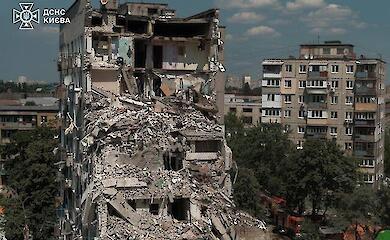
The UN has reported a sharp rise in the number of Ukrainian civilians killed as a result of the war
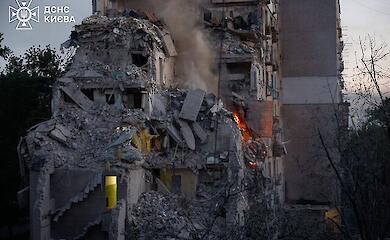
3 July has been declared a day of mourning in Kyiv. The number of dead and injured is rising