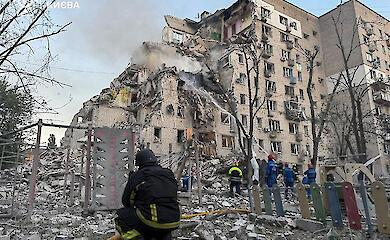
Czech intelligence agency says which countries pose a threat to Europe


The world is teetering on the brink of global conflict, Prague believes.
Czech intelligence believes that Russia, Iran and China pose a threat to the security of European countries. The head of the Czech Security and Information Service (BIS) Michal Koudelka told ČTK about the danger posed by the political regimes of these countries.
Among the current threats to Europe, the head of Czech counterintelligence named the threat from Russian imperialism, sabotage and intelligence operations of Russia, China and Iran.
Also dangerous for European countries are: propaganda, uncontrollable migration, the growing threat of Islamic terrorism, including the rise of right-wing extremism, illegal arms trade, constant cyberattacks, abuse of artificial intelligence.
He pointed out that tensions in the world are rising and the world has come to the line beyond which a global military conflict could erupt.
Note that a number of European countries do not rule out a direct military clash with Russia. Moreover, a number of armies are preparing for such a scenario, and the EU governments have announced an increase in military budgets.
We would like to add that the West has repeatedly accused Iran and China of directly or indirectly supporting Russia in the war with Ukraine.


Eugenia Ruban writes about political and economic news. She looks at large-scale phenomena in Ukrainian politics and economics from the perspective of how they will affect ordinary Ukrainians.
Related news
China may have been secretly importing thousands of tonnes of uranium from Africa – media reports

Ukrainian security services have been recognised as among the best intelligence services in Europe – L'Express

British intelligence: Putin may stage a major provocation against NATO as early as the coming months

German intelligence: Russia may target top executives in the defence industry
Popular news
Ukrainian security services have been recognised as among the best intelligence services in Europe – L'Express



Irina Levchenko, the abducted Ukrainian journalist, has been transferred to the Donetsk remand centre: what is known

Evidence has been found in Australia of an unusual ritual that has been practised for thousands of generations

News about war
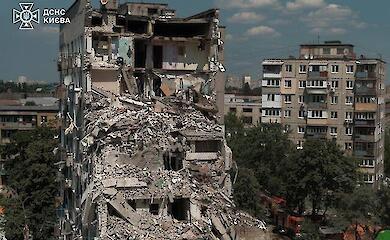
The UN has reported a sharp rise in the number of Ukrainian civilians killed as a result of the war
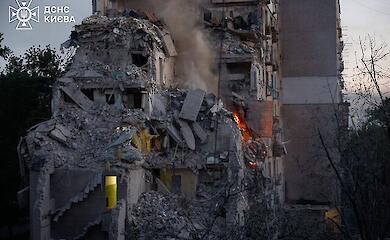
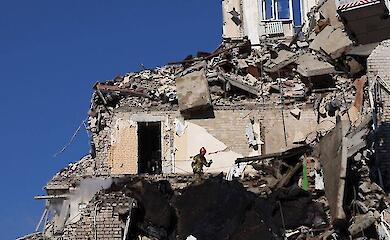
3 July has been declared a day of mourning in Kyiv. The number of dead and injured is rising