


Against the backdrop of a possible threat from Russian Federation, Germany plans to urgently deploy a network of shelters throughout the country

The German authorities intend to adapt existing infrastructure - including tunnels, underground stations, car parks and the basements of public buildings - for protective shelters.
Germany is preparing a large-scale plan to expand the network of shelters in case of a military threat from Russia. This was announced by the head of the Federal Office for Civil Protection and Disaster Relief (BBK), Ralf Tisler, in an interview with The Guardian.
According to him, the risk of a full-scale conflict in Europe is becoming more and more real, and a Russian attack could happen in the next four years. Previously, the country lived in an illusion of security, but now the situation requires serious rethinking.
We are concerned about the possibility of a major war of aggression in Europe," Tisler noted.
In preparation for a possible crisis, they plan to convert existing facilities - tunnels, metro stations, underground car parks and basements of public buildings - into shelters that can temporarily protect about one million people. A detailed infrastructure modernisation plan will be presented this summer.
Tisler emphasised that building new bomb shelters is a long and costly process, so the focus is on adapting existing facilities. In Germany, only 580 of the approximately 2,000 Cold War shelters are currently in operation, which protects less than 1 per cent of the population. In Finland, by comparison, there are about 50,000 shelters in operation for 85 per cent of the population.
In addition, the country plans to improve warning systems, modernise sirens, update mobile apps, install signage to shelters and improve the cyber security of information systems.


Journalist and editor of informational and analytical programs.
Related news

Estonia is building a new military base near the border with Russia


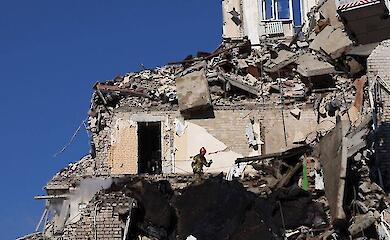
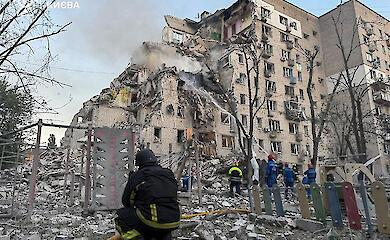
3 July has been declared a day of mourning in Kyiv. The number of dead and injured is rising

Popular news



Scientists have discovered that power among the Scythians was passed down through the family line



Navrotsky has announced a ban on the red-and-black flag in Poland: what will change
News about war

The UN has reported a sharp rise in the number of Ukrainian civilians killed as a result of the war

3 July has been declared a day of mourning in Kyiv. The number of dead and injured is rising