Pride was held in Vienna with the participation of the Ukrainian LGBTQ+ column


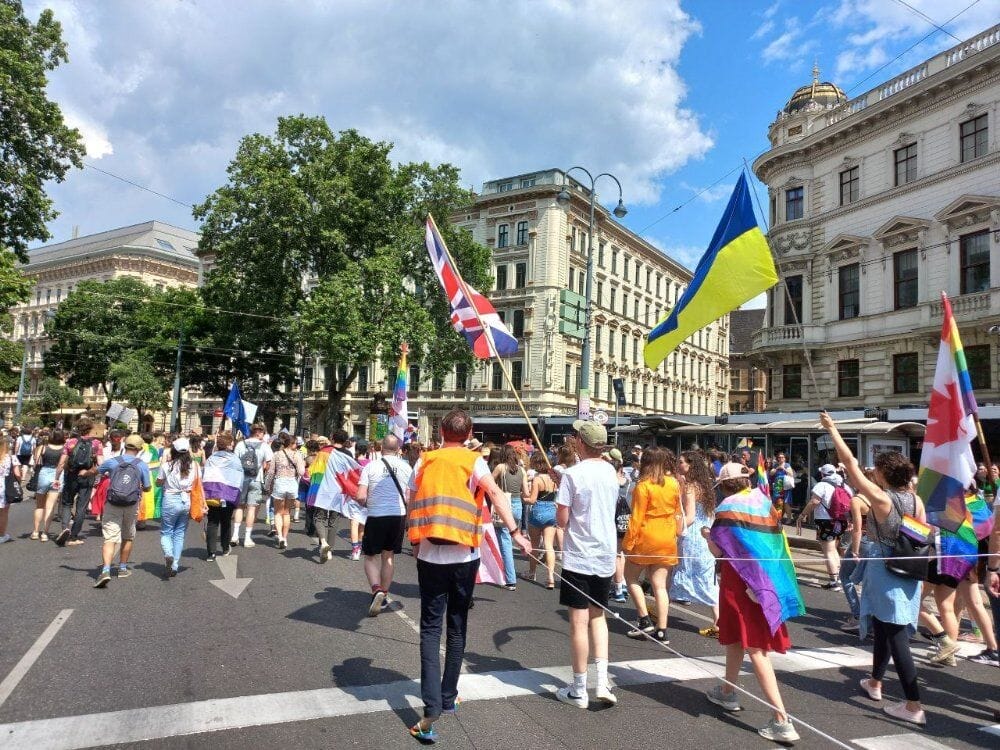
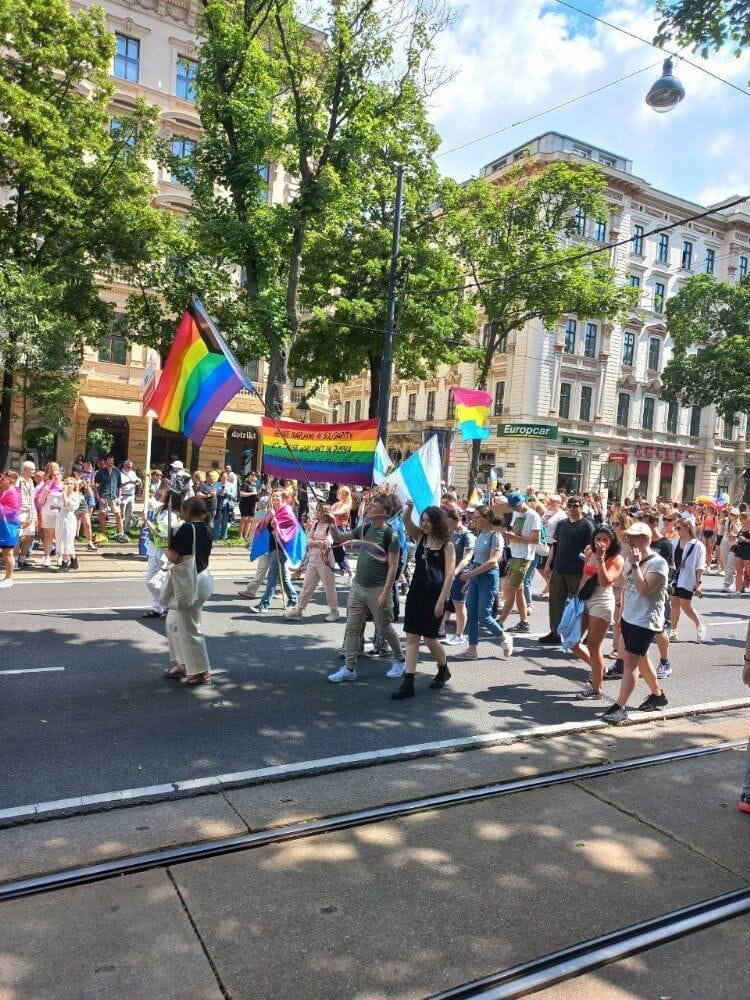
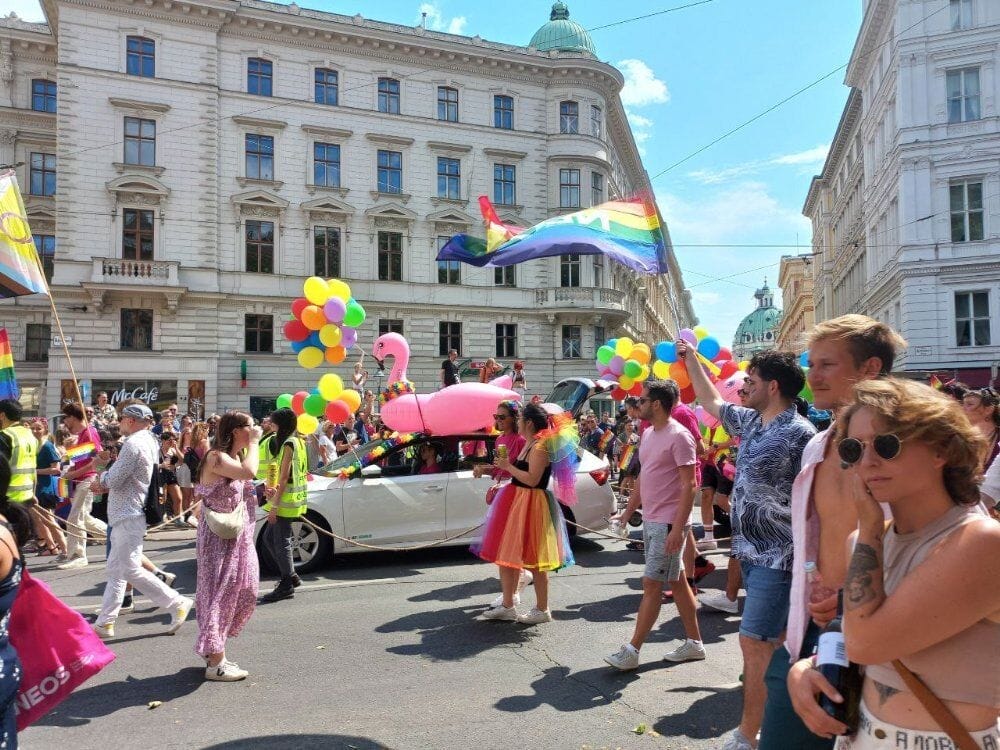
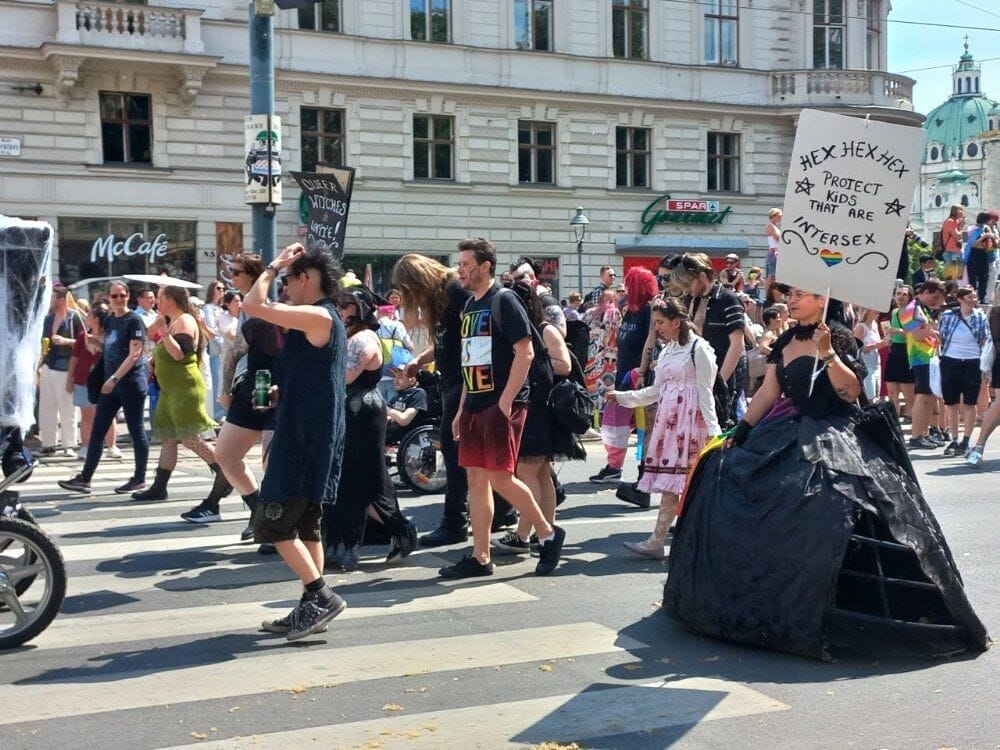
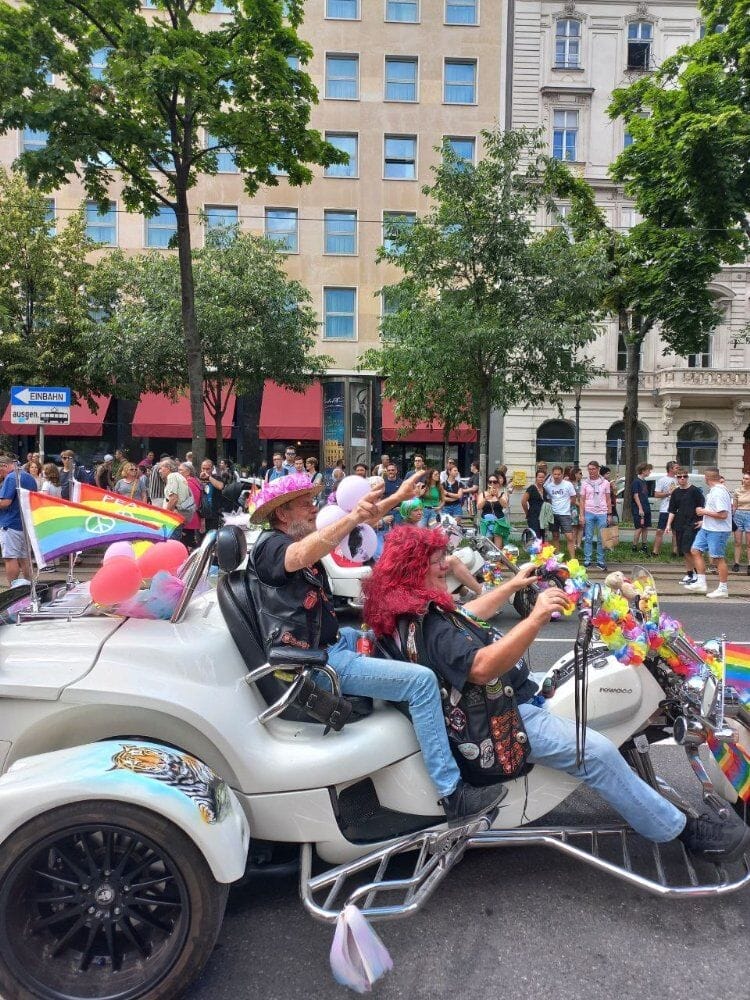
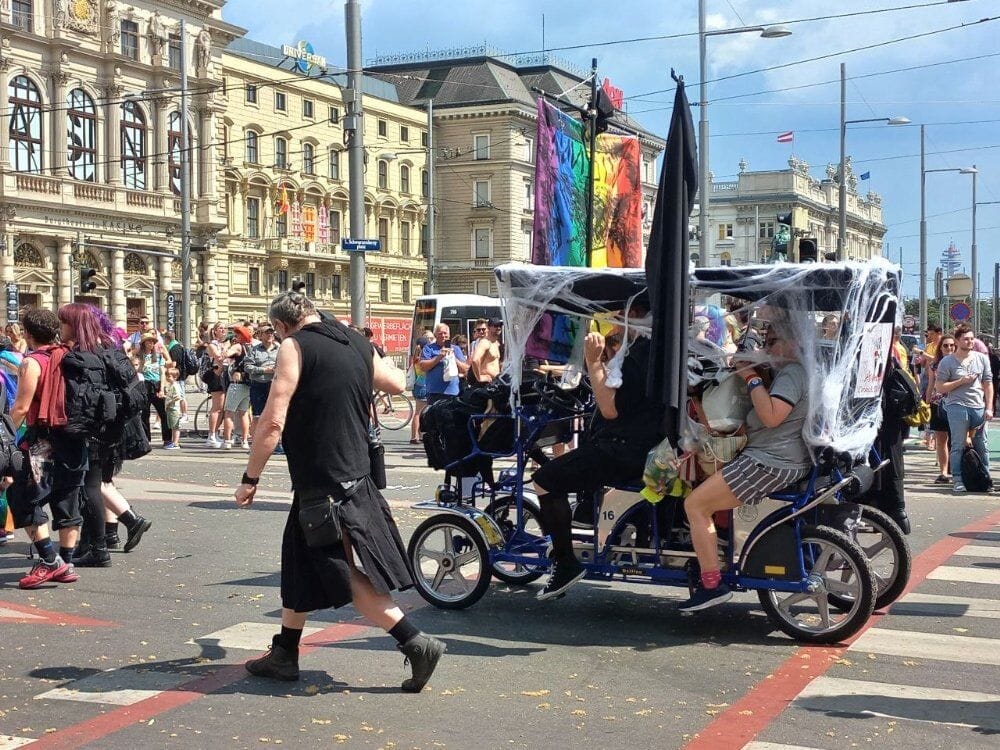
On 17 June, the Austrian capital of Vienna hosted a large Vienna Pride Parade.
Around 10,000 people marched colourfully through the city centre, carrying a variety of paraphernalia and dancing to cheerful music.
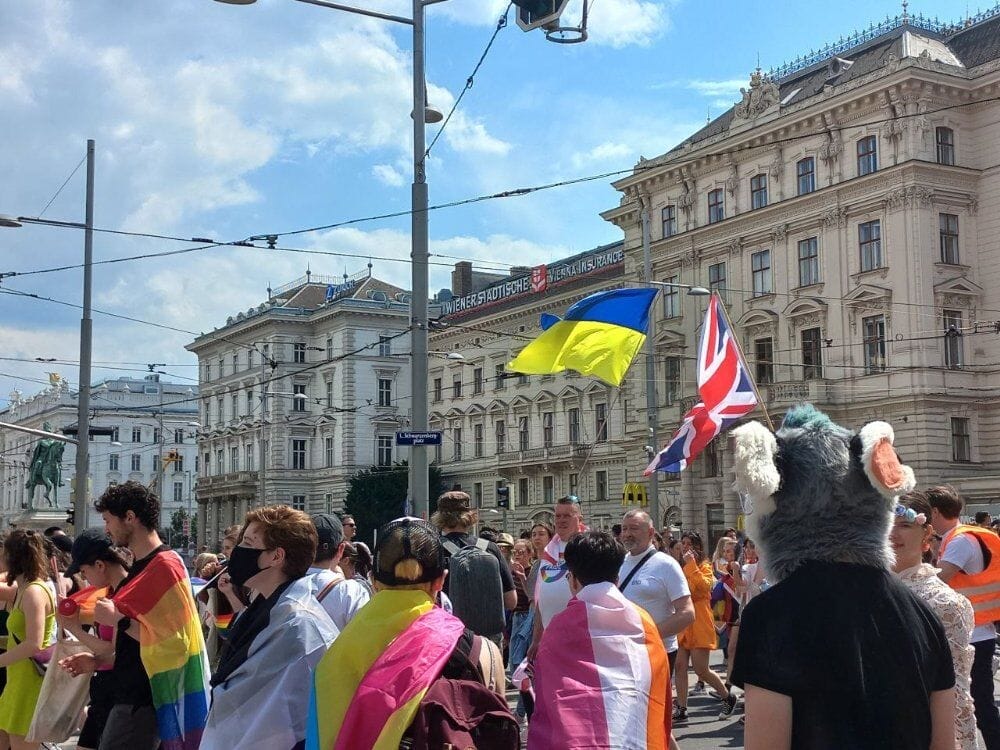
At the Pride march there was a convoy of Kyivrpayd, representatives of the LGBTQ+ community from the Ukrainian capital and other cities. On that day they also attended Pride marches in Warsaw, Lublin, Cardiff, Strasbourg and other European cities where Ukrainians have been forced to move because of the Russian invasion. In addition to the organised convoy, some other participants also carried Ukrainian flags.
Ukraine declares adherence to European values, including support for LGBTQ+. Since 2015, prides have been held annually in Kyiv and other cities of Ukraine. In 2022, Ukraine ratified the Istanbul Convention. At the same time, a petition appeared to the president about the need to recognize same-sex marriages. Against the backdrop of the Russian invasion, her text sounded like this:
It is important that LGBTQ people have the right to see their partner and have their body removed from the morgue, and to claim compensation if necessary. All married couples have these rights. We really hope that gay marriage will be legalized so that people can take care of each other.
President of Ukraine Volodymyr Zelensky considered the petition and instructed the Cabinet of Ministers to look for legal ways to legalize same-sex marriages. However, this has not yet happened. In Russia, on the contrary, conservative sentiments are becoming tougher, especially against the background of the unleashed war and an increasingly authoritarian order. Wanting to go against the norms of the Western world, new laws are being introduced, such as banning LGBTQ+ propaganda or the adoption of children by same-sex couples. The latest initiative — a complete ban on changing the biological sex.


Expert on women's rights, persons with disabilities, motherhood in the modern context, health care reform, education and social welfare.
Related news
The Polish town of Sopot has adopted regulations to combat discrimination against Ukrainians


The President of Lithuania may act as a mediator between Ukraine and Poland

"I work at a supermarket checkout because I don't want to be woken up by patients calling at night." How Ukrainians work in Poland now


Russia has little time left, Europe even less. What the Western media say about the possible end of the war
Popular news
Ukrainian security services have been recognised as among the best intelligence services in Europe – L'Express
Irina Levchenko, the abducted Ukrainian journalist, has been transferred to the Donetsk remand centre: what is known


Scientists have put forward an explanation as to why there were no tiny dinosaurs

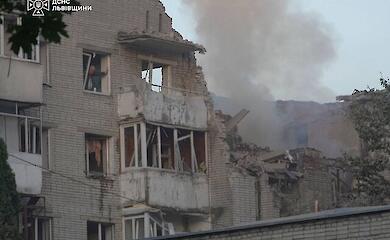
Russia has attacked Lviv with drones and missiles: dozens of residential buildings have been damaged and there are casualties
News about war
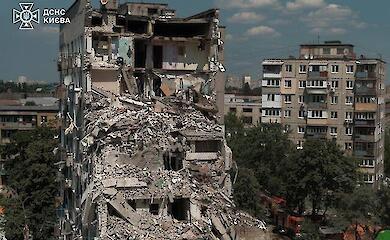
The UN has reported a sharp rise in the number of Ukrainian civilians killed as a result of the war
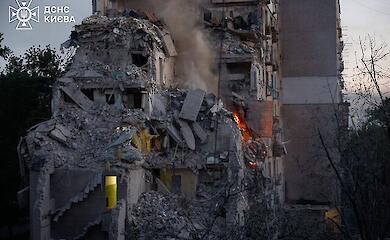
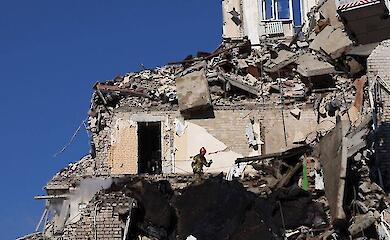
3 July has been declared a day of mourning in Kyiv. The number of dead and injured is rising