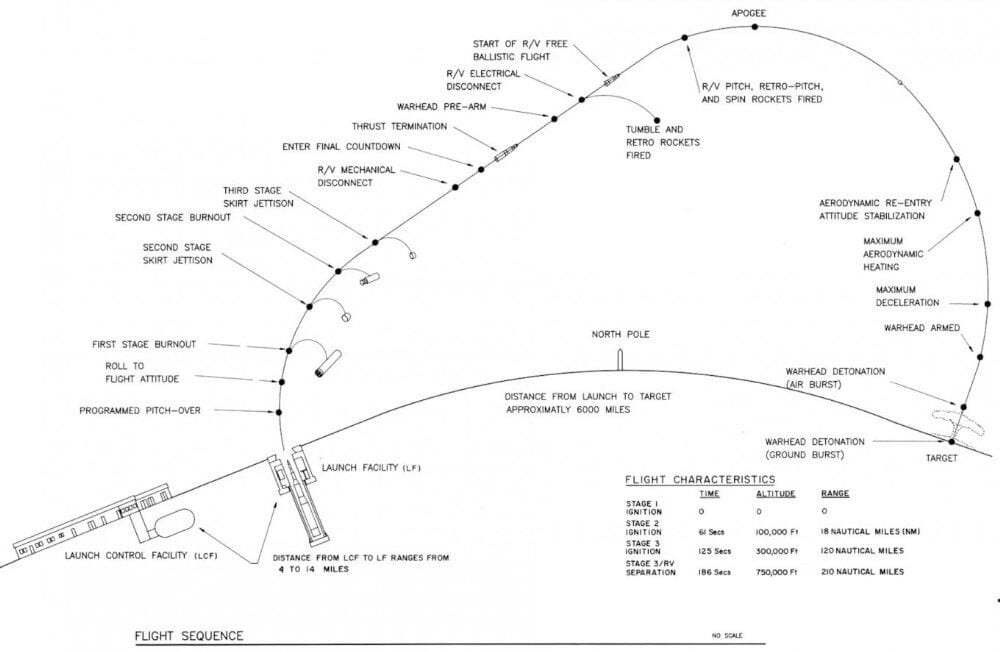
Strike on the Dnieper: reconstruction of the strike by the Rubezh missile


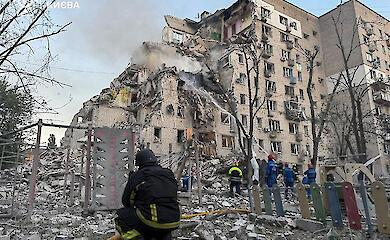
Today's strike on the Dnieper River was the first time an intercontinental ballistic missile was used in combat, which has caused considerable resonance and concern.
According to analysts of the Defence Express portal, this attack can be regarded as a demonstration of nuclear strike capabilities using simulated warheads equipped with individual guidance.
The missile was launched from the Kapustin Yar test site in the Astrakhan region, where the deployment of the advanced RS-26 Rubezh system was previously recorded. Although the type of missile has not been officially confirmed, experts believe that it could have been this model or its analogue, the Yars. Both types of missiles are close in technical characteristics, as Rubezh uses elements of the Yars design. The range of the missile was about 800 kilometres, which is considerably less than its ultimate range, indicating the use of a shortened trajectory.
The missile was launched from a mobile ground complex. At the final stage of flight, the warhead separated into several blocks, each of which had an individual guidance system. This process was accompanied by the release of decoys designed to distract air defence systems. Although the warheads were unarmoured, their enormous kinetic energy, due to their escape into near-Earth space, posed a serious threat when they fell.
Defence Express notes that this incident demonstrates new tactics and capabilities of Russian strategic weapons. The launch of such a missile has the character not only of military escalation but also of psychological pressure. Such a move can be regarded as preparation of nuclear strike scenarios, which requires a serious response from the international community.
The use of an intercontinental ballistic missile to strike the territory of Ukraine was yet another manifestation of escalation on the part of Russia. This step emphasises the lack of desire for peace talks and threatens to further aggravate the situation in the region, EU speaker Peter Stano has said.
Journalist and volunteer with extensive experience.
Related news
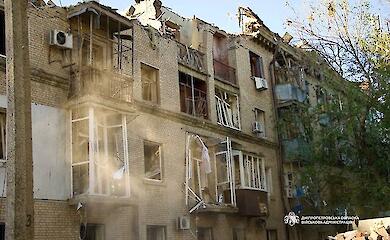
Russia hit the Dnieper: 8 people killed, among them a child born in 2023



What innovations did Ukrainian soldiers come up with at the front to stop the enemy's advance?

Popular news
Ukrainian security services have been recognised as among the best intelligence services in Europe – L'Express


Irina Levchenko, the abducted Ukrainian journalist, has been transferred to the Donetsk remand centre: what is known

Scientists have put forward an explanation as to why there were no tiny dinosaurs

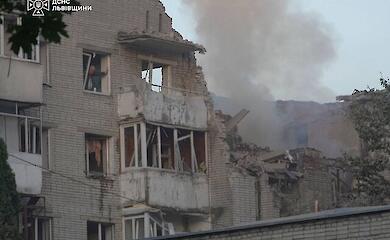
Russia has attacked Lviv with drones and missiles: dozens of residential buildings have been damaged and there are casualties
News about war
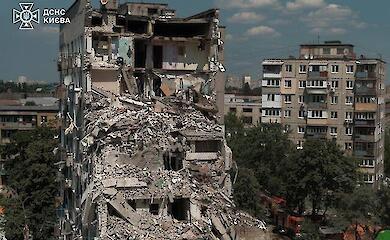
The UN has reported a sharp rise in the number of Ukrainian civilians killed as a result of the war
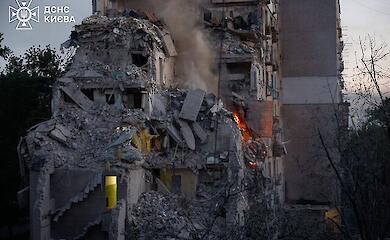
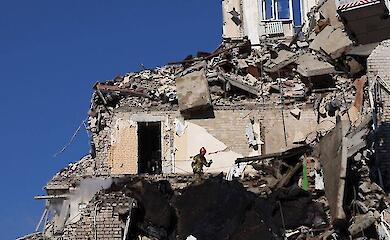
3 July has been declared a day of mourning in Kyiv. The number of dead and injured is rising