

It has been revealed which animals arrived in Odessa from the Kherson region as survivors


On the night of 6 June, the Russian military blew up the dam of the Kakhovska hydro-electric power station. The water flooded vast areas of land together with all the living creatures, the current carried them to the Black Sea.
The director of the Odessa zoo, Igor Belyakov, told reporters that after the Russians blew up the Kakhovka hydropower plant, hundreds of animals reached Odessa Region by sea.
In total, we rescued almost 300 wild animals that swam to the Odesa region. Among them are more than a hundred Danube newts, which are rare animals listed in the Red Book of Ukraine," he pointed out.
Belyakov noted that Kherson population of newts is unique.
In fact, a lot more of them have "arrived", but, unfortunately, most of them died and those that remain in the sea now - doomed, too, because it is a freshwater animal, - said Belyakov.
He also assured that newts will be returned to Kherson region, when there are favorable conditions for it.
He added that muskrats, lake frogs, urchins and water turtles, as well as raccoon dog pups, were rescued in Odeschina.
The largest "migrant" was a female spotted deer that arrived in Odessa region on a reef island.
She was in a very bad condition - exhausted and frightened. Our veterinarians had to put a lot of effort into it. She is fine now," said Belyakov.
The terrorist attack on the Kakhovskaya hydroelectric plant, which Russia perpetrated on the night of 6 June, caused colossal damage to Ukraine. Dozens of settlements were flooded, people, flora and fauna died because of the dam explosion.
Oleg Kotov writes about the war in Ukraine and how it is changing the world.
Related news
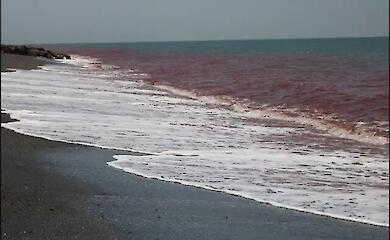
An antidote to one of the most potent marine venoms has been found in frogs

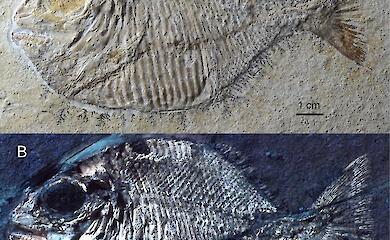
Scientists have described, for the first time, the young of a fish that lived 152 million years ago
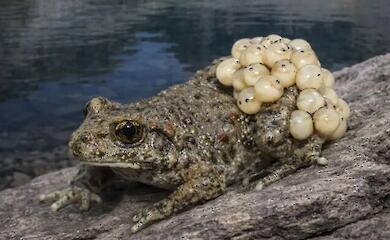
A dangerous fungus has almost wiped out the toads. Some have learnt to survive
Popular news

Traces of water heated to 300 degrees have been found near the “Lost City”
An antidote to one of the most potent marine venoms has been found in frogs


News about war

The UN has reported a sharp rise in the number of Ukrainian civilians killed as a result of the war



3 July has been declared a day of mourning in Kyiv. The number of dead and injured is rising