Smartphone can spot early signs of depression - study
- Home
- Life
- Healthy lifestyle
- Smartphone can spot early signs of depression - study


Scientists have found that smartphones and wearable devices can help spot early signs of depression. This is important because it allows you to spot the problem earlier and get help.
It's not about diagnosis, it's about early warning signs.
Details
Researchers analysed 52 scientific papers examining how data from smartphones and fitness trackers relate to mental health.
It turned out that early signs of depression can be indicated by changes in daily behaviour:
- moving less
- stays at home more often
- sleep disturbances
- decreased activity and communication
Physiological data, such as heart rate variability, and self-assessed mood were also taken into account.
Systems that take into account an individual's habits rather than comparing everyone to the same model work best.
Why it matters
Such technology can help spot a problem before it becomes serious.
This makes it possible to:
- seek help sooner
- prevent the condition from getting worse
- create apps to support mental health
At the same time, such systems do not replace a doctor, but only provide a signal.
Background
Depression is one of the most common mental health disorders in the world. It is estimated to affect approximately 1 in 20 people.
Early diagnosis is considered key to effective treatment.
Source
The study is published in the journal Nature Mental Health (2026). The scientists analysed data from 52 previous papers on digital mental health monitoring.
Elena Rasenko writes about science, healthy living and psychology news, and shares her work-life balance tips and tricks.
Related news

Changes in the brain were discovered in people who used to watch a lot of television decades ago


How much coffee can you drink without harming your heart: the cardiologists’ answer


More light during the day means better sleep at night: what scientists have discovered

Popular news

Ukrainian security services have been recognised as among the best intelligence services in Europe – L'Express

Irina Levchenko, the abducted Ukrainian journalist, has been transferred to the Donetsk remand centre: what is known


Russia has attacked Lviv with drones and missiles: dozens of residential buildings have been damaged and there are casualties

News about war

The UN has reported a sharp rise in the number of Ukrainian civilians killed as a result of the war

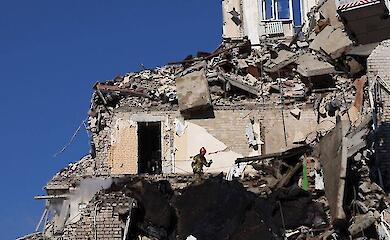
3 July has been declared a day of mourning in Kyiv. The number of dead and injured is rising