
Outbreak of rabies among seals detected in South Africa


Scientists in South Africa have recorded an outbreak of rabies among seals for the first time.
The discovery was the first confirmed case of the virus spreading among marine mammals, phys.org reported.
The virus was found in at least 24 Cape fur seals (Arctocephalus pusillus) found dead or sedated on the west and south coasts of South Africa.
Rabies, which can be transmitted to both animals and humans, is almost always fatal if symptoms appear. The virus is transmitted through saliva, usually through bites, but can also be spread when animals lick or lick each other. Although rabies is widespread among land mammals such as raccoons, coyotes and foxes, it has never previously been recorded in marine life.
The only known case of rabies in a marine mammal was reported in the 1980s in the Svalbard Islands in Norway, when a ringed seal was infected by a rabid Arctic fox. However, further spread of the virus among seals was not recorded at that time.
The first finding of rabies among Cape fur seals was made in June 2022, when a dog bitten by a seal on a beach in Cape Town contracted the virus. This event prompted researchers to conduct rabies tests using brain samples from 135 seals collected since 2021. The resulting tests confirmed the presence of the virus, and additional samples showed new positive results.
Researchers are trying to understand how the virus got to the seals and how widely it can spread among their large colonies. It is hypothesised that the virus could have been passed to the seals via jackals in Namibia, where these animals prey on seal pups.Genetic analyses have shown that the virus in seals matches rabies found in black-backed jackals in Namibia. This confirms that rabies has started to spread among the seals themselves, as the viral sequences appeared to be very similar.
This case is a major concern as Cape fur seals live close to people, especially on the beaches around Cape Town. City authorities have already issued warnings to locals after reports of aggressive behaviour by the seals and attacks on people. Although no cases of transmission to humans have yet been reported, scientists have begun vaccinating small groups of seals in two popular Cape Town harbours where they have become a local attraction.
One of the positive tests for rabies was done on a seal carcass found in August 2022, indicating that the virus may have been present among the seals for at least two years.
Scientists are now continuing to study the dynamics of the virus and deciding how to vaccinate the seals, given that they live in the ocean and migrate along a coastline that stretches more than 3,500 kilometres. Unlike land animals, which can be vaccinated with oral vaccine baits, seals eat mostly live fish, making the task more difficult.
South African scientists are actively collaborating with international experts to better understand the implications of this outbreak. It is important to consider that other seal species in contact with Cape fur seals may migrate to other regions, increasing the risk of spreading the virus. Although the likelihood of such an event is low, the consequences could be serious.
Elena Rasenko writes about science, healthy living and psychology news, and shares her work-life balance tips and tricks.
Related news
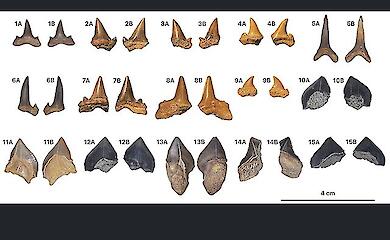
A ‘shark graveyard’ dating back some 80 million years has been discovered in the Egyptian desert




165 million years ago, the forests were already filled with ultrasound — scientists have discovered who was producing it

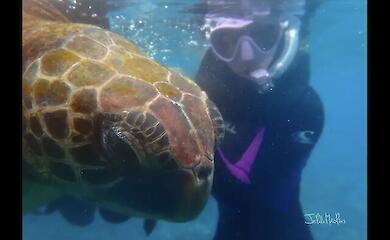
Turtles capable of crossing the ocean have unexpectedly turned out to be “homebodies”
Popular news

Russia has received new weapons from North Korea: which regions of Ukraine could be at risk


Henry VIII’s long-lost castle has been found inside another castle

Bones of ancient humans found on the seabed of the Taiwan Strait suggest they were up to 190 cm tall

News about war
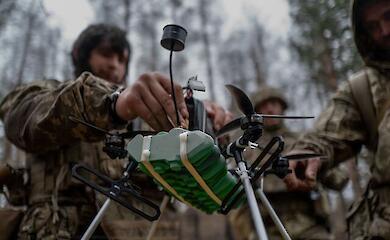

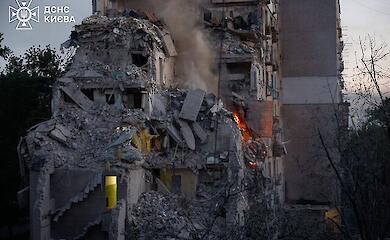
An expert explains how Russia is changing its tactics for strikes on Kyiv


The UN has reported a sharp rise in the number of Ukrainian civilians killed as a result of the war