
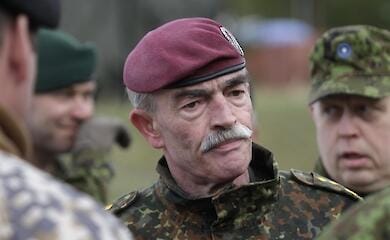

Main Intelligence Directorate: Russian troops have changed their tactics of shelling Ukrainian territory


Russia has begun to combine different types of weapons in its shelling.
This was revealed by Vadim Skibitsky, a spokesman for the Defence Ministry's Main Intelligence Directorate.
According to him, the Russians are now using Iranian drones in various configurations, missiles of the old type, high-precision ballistic missiles and recycled S-300 missiles. The enemy is now short of Iskanders, running out of Kalibras and reducing the number of airborne cruise missiles X-101, X-555. According to Skibitsky, Russia can still make at most 2-3 waves of attacks.
He also added that sanctions have begun to take effect, although the Kremlin is trying to circumvent them in various ways:
We can see the impact of economic sanctions on Russia. They are trying to circumvent the sanctions, to bring in components, but it is not easy to do.
However, Russia also continues to produce new missiles. For example, they are now finding remnants of missiles that were produced in the fourth quarter of 2022.
Also, a representative of the SDO said that Russia is trying to replenish the stock of artillery shells for Smerch and Uragan MLRSs with deliveries from other countries.
A large number of them have been imported from Belarus and they are working very actively with other countries to find supplies," Skibitskyy said.
Related news
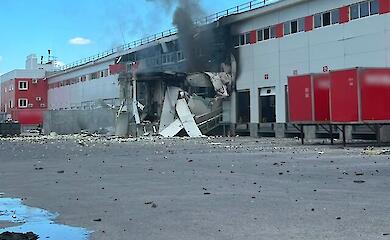
Russia struck a "Nova Poshta" terminal near Kharkiv: staff members were killed and more than 20 people were injured


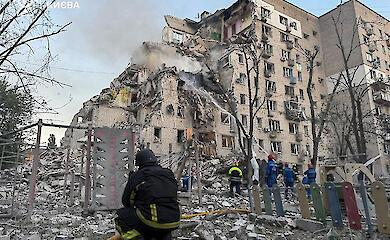
3 July has been declared a day of mourning in Kyiv. The number of dead and injured is rising

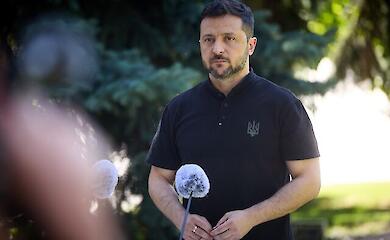
Strikes on both sides of the Crimean Bridge: Zelenskyy announced that Russia’s key logistics and air defence systems had been destroyed
Popular news

An antidote to one of the most potent marine venoms has been found in frogs


Traces of water heated to 300 degrees have been found near the “Lost City”

A gold tiara found in a woman’s tomb has astonished archaeologists


News about war

The UN has reported a sharp rise in the number of Ukrainian civilians killed as a result of the war


3 July has been declared a day of mourning in Kyiv. The number of dead and injured is rising