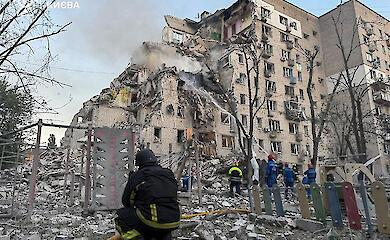

Lymphatic drainage massage - summer 2025 trend: myth or useful procedure?


Many people experience swelling in the morning or a feeling of heaviness in the body towards evening.
Social media users are excited: lymphatic drainage massages promise to sharpen the chin line, remove puffiness and give the face a healthy glow. Videos of guasha and jade rollers are garnering millions of views, and experts are increasingly talking about this procedure as a way to trigger the body's natural detoxification processes. But does it really work?
What is lymphatic drainage?
Lymphatic drainage is a special massage technique aimed at stimulating lymph flow. Lymph is a clear liquid, dominated by white blood cells. It circulates through the lymphatic system, removing toxins and waste products from body tissues before returning to the bloodstream.
However, unlike blood, which is pumped by the heart, lymph is moved by body movements, breathing and muscle activity. If you have a sedentary lifestyle, poor diet or during illness, lymph flow slows down, leading to swelling, fluid retention and general lethargy.
"Lymphatic drainage helps stimulate the natural movement of lymph and improves overall health," explains Harper's Bazaar India contributor Adit Ganguly.
How it works
The treatment consists of two stages: cleansing (releasing lymph into the tissue) and suction (movement of fluid to the lymph nodes for filtration). The massage uses gentle, superficial pressure - not deep pressure like a classic massage. The movements should be smooth, directed along the course of the lymph flow. Finger pads or palms are usually used.
For home use, tools like a jade roller or a guasha scraper are used. Before starting the massage, it is recommended to apply facial oil to avoid friction. It is also important to remember: the movements should only be towards the lymph nodes - no "back and forth".
What areas are involved?
The main lymph nodes are located in the neck, armpits, chest, abdomen and groin. It is particularly effective to start the session with deep breathing - this will help to activate circulation and gently "switch on" the lymph system.
What gives lymphatic drainage?
The authors of the article believe that competent lymphatic drainage can:
improve blood circulation;
accelerate the elimination of toxins;
promote cell regeneration;
reduce puffiness;
visually make the skin look fresher and tighter.
"Many people feel light after a session and their skin begins to glow," notes the author.
However, there may be mild soreness the next day. If you feel sick during the procedure, it is better to stop - the increased movement of lymph can accelerate the spread of the virus in the body.
Alternatives and supplements
Those who want to introduce lymphatic drainage into their daily routine should also consider dry brushing - it improves lymph flow and exfoliates the skin. Yoga can also help: twists, bends and transitions between poses stimulate lymphatic circulation and strengthen the immune system.
Still - is it worth it?
If you're looking for a gentle and non-invasive way to reduce puffiness and support your body's natural cleansing processes, lymphatic drainage can be a good addition to your skincare routine.
"It is not a replacement for proper nutrition, water balance and exercise, but a pleasant and beneficial addition to them," the author summarises.
And maybe it really will help you feel less "bloated balloon" after a hard day. And that, you'll agree, is no small thing.
Maria Grynevych, project manager, journalist, co-author of Guidebook Sacred Mountains of the Dnieper Region, Lecture Course: Cult Topography of the Middle Dnieper Region.
Related news


How kings and bishops dressed: scientists recreate the clothes of ancient Nubia


Scientists have found a way to repair damaged hair with plant oils

Popular news

Traces of water heated to 300 degrees have been found near the “Lost City”

An antidote to one of the most potent marine venoms has been found in frogs


News about war
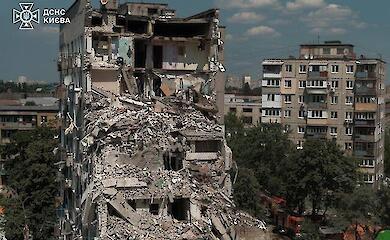
The UN has reported a sharp rise in the number of Ukrainian civilians killed as a result of the war

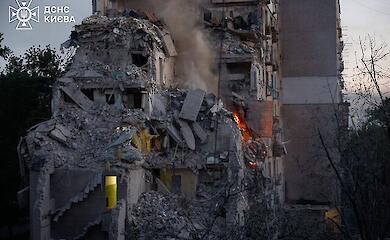
3 July has been declared a day of mourning in Kyiv. The number of dead and injured is rising