

Ignat told why Russia is not running out of missiles


The Main Directorate of Intelligence and the NSDC have repeatedly pointed out that Russia has a stockpile of missiles that is sufficient for two to three large-scale attacks.
Russia continues to build up its missile capabilities because Western sanctions are not doing their job. Weak sanctions pressure on Russia will prompt it to launch new missiles again and again. Yuriy Ignat, spokesman for the Air Force Command, said this in an interview with UP.
Unfortunately, Russia receives the components. Unfortunately, it continues production," Yuriy Ignat noted.
He noted that the Russian Federation already did not have enough high-precision long-range missiles such as Kh-101, Iskander-M, Iskander-K, Kalibr, Kinzhal, and for some time it stopped shelling Ukraine with them. However, now the enemy has increased its production. And, according to the latest GUR, Russia has more KINZHALs and Kalibrs.
Russia has found a way around sanctions at the expense of individual countries cooperating with it and is getting technological things it cannot produce itself: boards, chips, semiconductors. This is something without which a rocket will not fly," the speaker said.
Yuriy Ignat also expressed hope that the Western countries will manage to crack down on Russia with sanctions.


Artur Zayonts specialises in news from the frontline. A historian by education, Arthur has always sought to bring depth and context to his journalistic work.
Related news
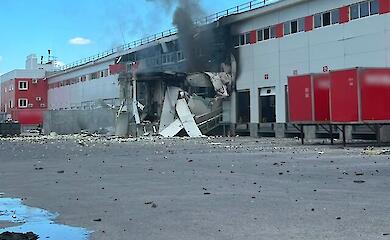
Russia struck a "Nova Poshta" terminal near Kharkiv: staff members were killed and more than 20 people were injured


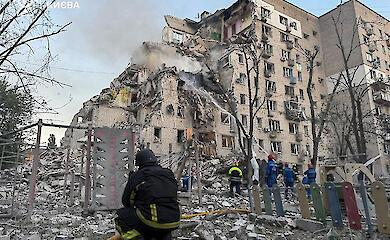
3 July has been declared a day of mourning in Kyiv. The number of dead and injured is rising

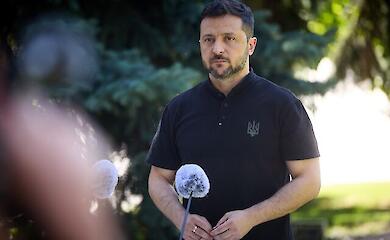
Strikes on both sides of the Crimean Bridge: Zelenskyy announced that Russia’s key logistics and air defence systems had been destroyed
Popular news
Ukrainian security services have been recognised as among the best intelligence services in Europe – L'Express

Irina Levchenko, the abducted Ukrainian journalist, has been transferred to the Donetsk remand centre: what is known


Scientists have put forward an explanation as to why there were no tiny dinosaurs

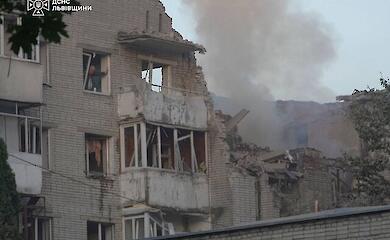
Russia has attacked Lviv with drones and missiles: dozens of residential buildings have been damaged and there are casualties
News about war

The UN has reported a sharp rise in the number of Ukrainian civilians killed as a result of the war

3 July has been declared a day of mourning in Kyiv. The number of dead and injured is rising