


Scientists have found evidence that ancient humans butchered and ate elephants 1.8 million years ago


Scientists have discovered that ancient humans began butchering giant animals, including elephants, as early as 1.8 million years ago. This was much earlier than thought. The discovery is important because it can explain the development of the human brain and social behaviour.
It's about the tipping point of evolution.
Details
The study was conducted in the Olduvai Gorge in Tanzania, one of the key sites for studying early humans.
Scientists found the remains of an ancient elephant next to stone tools. However, the main evidence was not the cuts on the bones, but their location.
The analysis showed
- the bones were not randomly arranged
- there were a large number of tools nearby
- the long bones were broken in a "fresh" state
Such injuries, according to the researchers, are characteristic of humans, not predators.
In addition, the pattern of bone arrangement was different from the way lions or hyenas, which usually scatter their prey, operate.
This indicates a purposeful cutting of the carcass.
Why it matters
The elephant is a source of a huge amount of food.
Scientists have noted
- one carcass could feed a group of people for weeks
- the fat and meat was high in calories
- it could promote brain growth
Carving these animals also required
- co-operation
- planning
- to protect the prey from predators
This suggests a more complex social organisation than previously thought.
Background
It was previously thought that humans began actively using large animals for food around 1.5 million years ago.
The new study pushes that boundary even further back in time.
Source
The study is based on analysing the location of bones and stone tools in Olduvai Gorge, Tanzania. The work is published in the journal eLife (2026).
An independent researcher, interested in archaeology and sacred geography. He researches them and writes about them.
Related news

People laugh, but cats are suffering: scientists have analysed popular pet videos

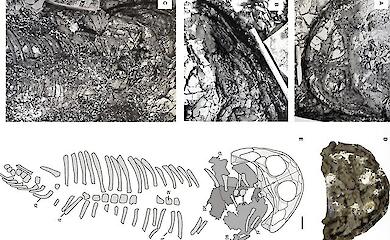
Scientists have unravelled the mystery of a fossil left in the Arctic almost 80 years ago

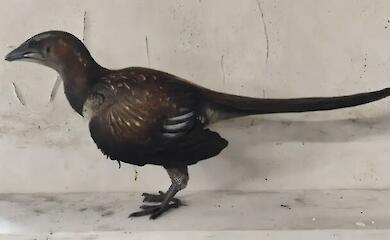
How dinosaurs took to the skies: a computer model has provided an unexpected answer
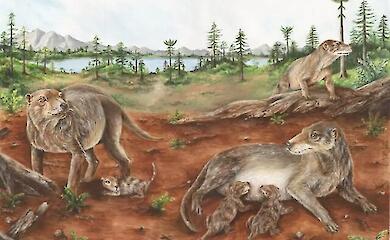
A single line in a 236-million-year-old bone changed the history of mammals
Popular news

How to cook sweetcorn properly so that it’s juicy and sweet: the best method revealed


Archaeologists have discovered who actually built Colombia’s ancient canals

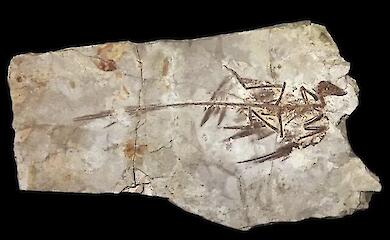
Scientists have put forward an explanation as to why there were no tiny dinosaurs

Scientists have discovered how snakes lived during the age of the dinosaurs
News about war

An expert explains how Russia is changing its tactics for strikes on Kyiv


The UN has reported a sharp rise in the number of Ukrainian civilians killed as a result of the war



3 July has been declared a day of mourning in Kyiv. The number of dead and injured is rising