

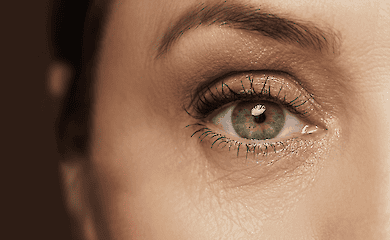
Moisturising and nourishing the skin: what's the difference and how to combine them


Many people assume that "moisturising" and "nourishing" the skin are virtually identical concepts.
But they are actually two different processes that complement each other and, when done correctly, provide healthy-looking skin.
1. Moisturisation: the foundation of healthy skin
When the skin lacks moisture, it becomes dull, loses elasticity and begins to peel. This is immediately reflected in the appearance of the skin: a "tired" tone appears, fine lines and wrinkles become more noticeable. If the skin receives enough moisture, the face gets a fresh colour, and the synthesis of elastin and collagen improves. As a result, the appearance of age-related changes is slowed down and fine lines and wrinkles are smoothed out.
How to moisturise
- Choose moisturisers according to your skin type and season.
- Remember the balance: light gel formulas may suit oily skin, while richer creams may suit dry skin.
- Don't forget to drink enough water throughout the day.
2. Nutrition: micronutrient and macronutrient complexes
For skin cells to work properly, they need not only sufficient moisture but also nutrients (proteins, fats, vitamins and minerals). Most of the nutrients are supplied through food, but the skin receives them on a residual basis: the internal organs are given priority nutrition, and only what is "left over" is distributed superficially.
To maintain normal skin metabolism and regeneration, as well as to eliminate toxins, additional external nutrition is often necessary: creams, serums, masks. And nourishing products don't have to be "heavy" or "too greasy" - modern formulas come in a variety of textures.
How to nourish
- Look for vitamins (A, C, E), oils and amino acids in the ingredients list.
- Masks and serums help to deliver nutrients topically, compensating for nutrient deficiencies.
- Additionally, review your diet: are you eating enough quality fats, proteins, fruits and vegetables?
3. Important nuance: "Nourishing" without moisturising is useless
According to cosmetologists, the components of nourishing products are properly absorbed only on moisturised skin. If the level of hydration is low, the cells will be "closed" to incoming substances from the outside. Therefore, before you start using nourishing creams, take care of good moisturising.
Combination products
On the market there are products "2 in 1", where moisturising and nourishing components are present at the same time. Convenient for those who save time and do not want multiple layers of care.Two separate products
If you have dry or wrinkle-prone skin, you can apply a moisturising base (essence, serum or toner) first, followed by a nourishing product.
Bottom line: balance is the key to success
Moisturising provides the cells with an optimal environment, while nourishing provides the "building material" to maintain a healthy appearance. Both are essential. If you notice a dull complexion, flaking and fine lines, first ensure proper hydration, then add nourishing creams or masks to saturate your skin. This holistic approach will keep your skin supple, soft and radiant.
Maria Grynevych, project manager, journalist, co-author of Guidebook Sacred Mountains of the Dnieper Region, Lecture Course: Cult Topography of the Middle Dnieper Region.
Related news

Dermatologists have named a universal product for skin moisturising

Experts have named ways to slow down the appearance of grey hair
Antiperspirant or deodorant: what is the difference and what to choose?
Popular news
How to cook sweetcorn properly so that it’s juicy and sweet: the best method revealed

Archaeologists have discovered who actually built Colombia’s ancient canals


Scientists have put forward an explanation as to why there were no tiny dinosaurs


Scientists have discovered how snakes lived during the age of the dinosaurs
News about war
An expert explains how Russia is changing its tactics for strikes on Kyiv

The UN has reported a sharp rise in the number of Ukrainian civilians killed as a result of the war


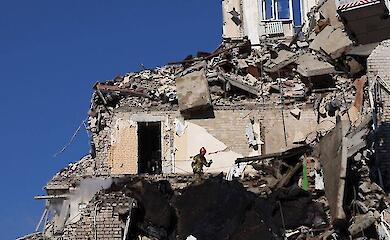
3 July has been declared a day of mourning in Kyiv. The number of dead and injured is rising