


'Brain-eating amoeba' discovered in Australian water supply


A rare and deadly microorganism - the amoeba Naegleria fowleri, better known as the "brain-eating amoeba" - has been discovered in the water supply of two Australian Queensland towns, Augatella and Charleville.
This is reported by The Conversation.
According to the authorities, the pathogen was found in drinking water at health centres and in the supply system of both towns. The local council has issued a warning about the potential threat and issued advisories to residents and tourists.
The amoeba N. fowleri lives in warm fresh water - 25 to 40°C - in rivers, lakes, ponds and hot springs. If ingested through the nose, it can enter the brain via the olfactory nerve, causing an acute inflammatory disease called primary amoebic meningoencephalitis. Symptoms include headache, vomiting, confusion, seizures and fever. The disease is almost always fatal: death occurs about 5 days after the onset of symptoms. However, cases of infection are extremely rare. From 1962 to 2024, only 167 cases were recorded in the United States, of which only four survived.
It is important to note that infection can only occur if contaminated water comes into contact with the nose, such as swimming, water skiing, showering or nasal rinsing. Drinking such water does not cause illness. In 2023, a 16-month-old baby died in the US after inhaling water from a contaminated "splash pad" - a splash pad for toddlers.
Where the amoeba got into the system is still unclear. River or groundwater used as a water supply may have been contaminated.
According to Australian health regulations, tap water is regularly tested and its quality is monitored. However, if an amoeba is found, chlorination and other disinfection measures are recommended.
Experts emphasise that the risk of infection remains extremely low. But in the area of potential threat, you should avoid getting water in your nose: do not dive, do not wash under strong pressure, do not allow children to play with splashes. It is safe to swim in the sea and in properly treated swimming pools - salty and chlorinated water is destructive to N. fowleri.
Mykola Potyka has a wide range of knowledge and skills in several fields. Mykola writes interestingly about things that interest him.
Related news

150 years on, scientists have confirmed Darwin’s hypothesis about carnivorous plants


Scientists have discovered how cockroaches recognise ‘their own’


Scientists have explored the glacier on the summit of Mount Ararat for the first time
Popular news

How to cook sweetcorn properly so that it’s juicy and sweet: the best method revealed

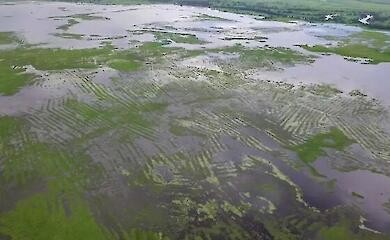
Archaeologists have discovered who actually built Colombia’s ancient canals

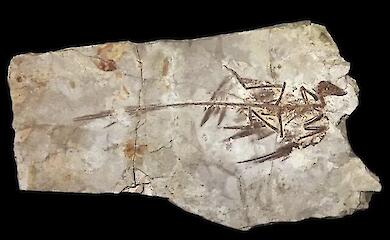
Scientists have put forward an explanation as to why there were no tiny dinosaurs

An expert explains how Russia is changing its tactics for strikes on Kyiv

News about war

An expert explains how Russia is changing its tactics for strikes on Kyiv

The UN has reported a sharp rise in the number of Ukrainian civilians killed as a result of the war

