

Soda and snacks may shorten life of cancer patients - study

High consumption of ultra-processed foods is associated with an increased risk of death among cancer survivors.
The researchers came to this conclusion after analysing data from a large long-term study in Italy. The results are published in the journal Cancer Epidemiology, Biomarkers & Prevention.
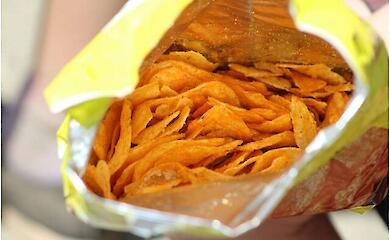
Ultra-processed foods - such as sugary fizzy drinks, processed snacks, processed meats and sweets - are often low in vitamins, minerals and dietary fibre. At the same time, they are rich in added sugar, saturated fats, preservatives, emulsifiers and artificial flavours, which the human body is ill-equipped to process.
According to Marialaura Bonaccio, lead author of the study from the Neuromed Institute (Italy), the increasing prevalence of such foods in the diet makes it particularly important to understand how they affect the long-term health of cancer survivors.
Why the degree to which food is processed matters
Most studies on the nutrition of cancer patients have traditionally focused on individual nutrients - calories, fat or protein. However, a new study shows that the degree of industrial processing of food itself may play an independent role.
According to Bonaccio, substances used in industrial food processing can disrupt metabolism, alter the composition of the gut microbiota and increase inflammation. This means that even foods with comparable calories and formal "nutritional composition" can have different health effects depending on the level of processing.
Data from the multi-year Moli-sani study
The analysis was based on data from the Moli-sani prospective cohort study, which followed 24,325 residents of the Molise region of southern Italy aged 35 years and older from 2005 to 2022.
Among the participants, 802 cancer survivors (476 women and 326 men) were identified, who described their diet in detail using the validated EPIC questionnaire. The NOVA system was used to categorise foods, separating food by level and purpose of processing.
Researchers estimated the proportion of ultra-processed foods in the diet in two ways: by weight and by energy value. The participants were then divided into three groups based on the proportion of such foods in their daily diet. The analysis took into account age, gender, smoking, body mass index, physical activity, cancer type, medical history and overall diet quality, including adherence to the Mediterranean diet.
What the results showed
During a median follow-up period of 14.6 years, there were 281 deaths among cancer patients. People who consumed the highest amounts of ultra-processed foods (top third by weight share) had a 48% higher risk of death from any cause and a 59% higher risk of death from cancer than those who ate them the least.
Similar results were obtained when calculated by caloric intake, although the association with overall mortality was less pronounced in this case.
Importantly, the increased risk persisted even after accounting for overall diet quality. This indicates that the negative effect is not just down to the "bad composition" of the food - industrial processing itself may have a detrimental effect.
Possible role of inflammation
To understand the biological mechanisms, the researchers analysed inflammatory, metabolic and cardiovascular biomarkers. It turned out that accounting for measures of inflammation and resting heart rate attenuated the association between ultra-processed food and mortality by nearly 40 per cent.
This suggests that chronic inflammation and impaired cardiovascular regulation partially explain the negative impact of such foods on survival.
It's not the individual products that matter, but the diet as a whole
Analyses of different categories of ultra-processed foods showed heterogeneous results: some groups were associated with higher risk, while others were not. However, the authors said it is not useful to look at such foods in isolation.
"The key is the overall consumption of ultra-processed foods, not individual items in the diet," Bonaccio emphasises.
Experts advise reducing the proportion of industrially processed food and favouring fresh, minimally processed and homemade foods. A simple reference point is composition: foods with a long list of ingredients or with additives are more likely to be ultra-processed.
Elena Rasenko writes about science, healthy living and psychology news, and shares her work-life balance tips and tricks.
Related news

150 minutes a week or less: what kind of exercise is associated with better survival after cancer


Living near a nuclear power plant has been linked to higher cancer deaths
TikTok is increasingly influencing what young people eat - study

Popular news

Orban announces "results" of Hungarian mission on Druzhba oil pipeline


Will maternity leave be shortened in Ukraine? Changes for workers with children


Zelensky said that Russia was preparing a new offensive and pointed out the direction of it

Kellogg named the ceasefire condition today and compared Putin to Nicholas II

News about war
Orban announces "results" of Hungarian mission on Druzhba oil pipeline
Kellogg named the ceasefire condition today and compared Putin to Nicholas II
Zelensky said that Russia was preparing a new offensive and pointed out the direction of it

Russia is destroying Ukraine twice as fast as at the start of the war - international report