
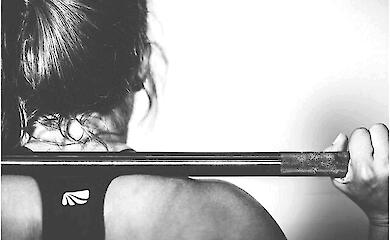



Evidence review: exercise for osteoarthritis has small and short-term effects
Exercise and physical therapy, which have been recommended for years as first-line therapy for osteoarthritis, may relieve symptoms minimally and briefly - and in some cases look no better than no treatment. This is the conclusion reached by the authors of an umbrella review (umbrella review) and a pooled analysis of available data published in the journal RMD Open.
The researchers explain why they decided to re-examine the benefits of exercise: the recommendations to prescribe physical activity in different forms of osteoarthritis sound very confident, but in recent years accumulated work where the effect was modest and less sustainable than expected. That said, there has been no previous comprehensive review that compares exercise not only with "usual care" but also with placebo, no intervention, drugs, other therapies, and even surgical approaches.
For the analysis, the authors selected publications from databases up to November 2025. The umbrella review included 5 systematic reviews (a total of 8631 participants) and 28 randomised clinical trials on osteoarthritis of the knee/hip, hand and ankle (another 4360 participants).
The pooled statistical evaluation showed: for knee osteoarthritis, exercise was associated with a small and short-term reduction in pain compared with placebo or no treatment, with the authors describing the confidence in the evidence as very low, and in larger and longer studies the effect was even smaller. For the hip, medium confidence data indicated an almost imperceptible effect, for the hand a small effect.
In papers with varying degrees of certainty, the results of exercise were on average comparable to those of patient education, chiropractic care, painkillers, steroid or hyaluronic acid injections, and knee arthroscopy. In separate studies in some patient groups, exercise was less effective than corrective bone surgery (osteotomy) and endoprosthetics in the longer term.
The authors stipulate limitations: they may not have included some of the relevant reviews, there were few direct "head-to-head" comparisons of different methods in the studies, patients varied widely in symptom severity, and some trials allowed other interventions in parallel. Nevertheless, the researchers believe the conclusion is generally robust: the evidence for the benefits of exercise for pain and function in osteoarthritis is largely uncertain, and if there are effects, they are small and short-lived.
However, the scientists emphasise: physical activity is still important for general health, it is safe and cheap, and some patients find it suitable for their preferences. Therefore, instead of a "one-size-fits-all" prescription, they recommend shared decision-making - discussing the expected benefits specifically for pain and function, taking into account the stage of the disease and alternative treatment options.
Mykola Potyka has a wide range of knowledge and skills in several fields. Mykola writes interestingly about things that interest him.
Related news

'If you have kidney stones, you need to drink more water'. Scientists have tested a well-known myth



Popular news
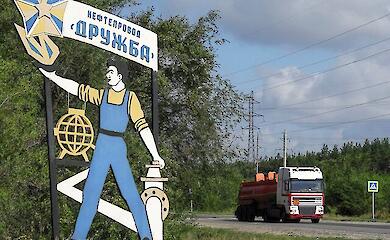
Orban announces "results" of Hungarian mission on Druzhba oil pipeline


Will maternity leave be shortened in Ukraine? Changes for workers with children


Zelensky said that Russia was preparing a new offensive and pointed out the direction of it

Kellogg named the ceasefire condition today and compared Putin to Nicholas II

News about war
Orban announces "results" of Hungarian mission on Druzhba oil pipeline
Kellogg named the ceasefire condition today and compared Putin to Nicholas II
Zelensky said that Russia was preparing a new offensive and pointed out the direction of it

Russia is destroying Ukraine twice as fast as at the start of the war - international report